
If your mouth tastes metallic after extraction and you want to know if that is blood, medicine, or infection, the safest way to think about it is simple: symptoms should slowly improve after a tooth extraction. metallic taste in mouth after tooth extraction becomes more concerning when the problem gets worse, spreads, or appears with other warning signs such as fever, pus, bad smell, or swelling.
This guide explains what can be normal, what can point to infection, when to call a dentist, and when symptoms may need urgent care. The goal is to give you a clear answer fast, then help you understand the details without panic.
Medical note: This content is educational only. It cannot diagnose your extraction site, prescribe medicine, or replace care from a dentist, oral surgeon, physician, or emergency clinician.

Quick Answer
Metallic Taste After Tooth Extraction is usually not judged by one symptom alone. The most important question is whether your recovery is improving or getting worse. Normal recovery often includes small amounts of blood, early healing fluid, or medicine related taste changes. A possible problem is more likely when you notice metallic taste that turns foul, comes with pus, or appears with fever and swelling.
If symptoms are getting worse or you feel unsure, call your dentist or oral surgeon. A short professional check is safer than guessing from photos or search results.
What Can Be Normal During Healing
After a tooth is removed, the body needs time to form a blood clot, protect the socket, and begin building new tissue. That process can feel uncomfortable. Mild soreness, a little bleeding, a blood taste, jaw tenderness, and some swelling can happen in the first part of recovery. Wisdom teeth and difficult molar extractions can feel more intense than a simple extraction.
Normal healing should have a general direction. The first day may be the most strange because of numbness, bleeding, and soreness. Swelling may peak during the first 1 to 2 days. After that, the area should slowly feel calmer. You may still notice tenderness, but it should not feel like a new problem is building.
People often worry because the socket does not look neat. A healing socket can look dark, red, white, or yellowish at different points. That does not always mean infection. Appearance matters more when it comes with pain that gets worse, pus, fever, spreading swelling, or a foul taste.
When It May Be A Warning Sign
Metallic taste that turns foul, comes with pus, or appears with fever and swelling should be taken seriously because these signs can mean the socket or nearby tissue is not healing normally. Infection can start in the socket, the gum tissue, or a deeper area around the jaw. It can also happen when a tooth was infected before it was removed.
One mild symptom does not always mean something dangerous is happening. For example, a bad taste can come from blood or food debris. Mild swelling can be part of healing. But symptoms become more important when they stack together. Bad taste plus pus is more concerning than taste alone. Fever plus swelling is more concerning than soreness alone. Pain that gets worse after improving is more concerning than pain that slowly fades.

Timeline: What To Watch By Day
First 24 Hours
The first day is about clot formation and early healing. Some bleeding, soreness, and swelling can happen. Avoid disturbing the clot. Follow the instructions from your dental office. Do not use forceful rinsing unless your dentist gave specific directions.
Days 2 To 3
Swelling may still be present and discomfort can continue. This is also the period when dry socket symptoms may start for some people. If pain suddenly becomes stronger, or if the socket begins to taste or smell foul, call your dentist for advice.
Days 4 To 7
Many people should begin to notice improvement. Symptoms that are getting worse in this window deserve attention. This is especially true for fever, pus, spreading swelling, swollen lymph nodes, bad drainage, or pain that does not match the expected recovery.
After 1 To 2 Weeks
Some deeper healing continues, but the site should not feel like an active new problem. Late pain, bad taste, bleeding that starts again, or swelling after two weeks should be checked. Delayed infection, trapped debris, bone fragment irritation, or dry socket related problems may need professional care.
How This Is Different From Dry Socket
Dry socket and infection are often confused. Dry socket usually happens when the protective blood clot is lost or breaks down. It often causes deep, severe pain a few days after extraction. Infection involves bacteria and is more likely to cause pus, spreading swelling, fever, swollen lymph nodes, and a foul taste or smell.
You can still have overlapping symptoms, so it is not always possible to know from home. If the main symptom is severe pain, dry socket may be part of the picture. If the pain comes with fever, pus, or swelling that spreads, infection becomes more concerning. A dentist can look at the socket and tell the difference more safely.
What You Should Do Now
Start by comparing your symptoms with the recovery direction. Are things improving, staying the same, or getting worse? Write down when the extraction happened, when the symptom started, whether pain is increasing, and whether you have fever, pus, swelling, bad taste, or trouble opening your mouth. This makes your call to the dental office more useful.
Do not scrape inside the socket. Do not squeeze the gums. Do not take leftover antibiotics. Do not use harsh mouthwash or strong rinsing unless your dentist told you to. If gentle warm salt water rinses were recommended after the first 24 hours, use them gently. Keep brushing the rest of your mouth carefully.
When To Call A Dentist
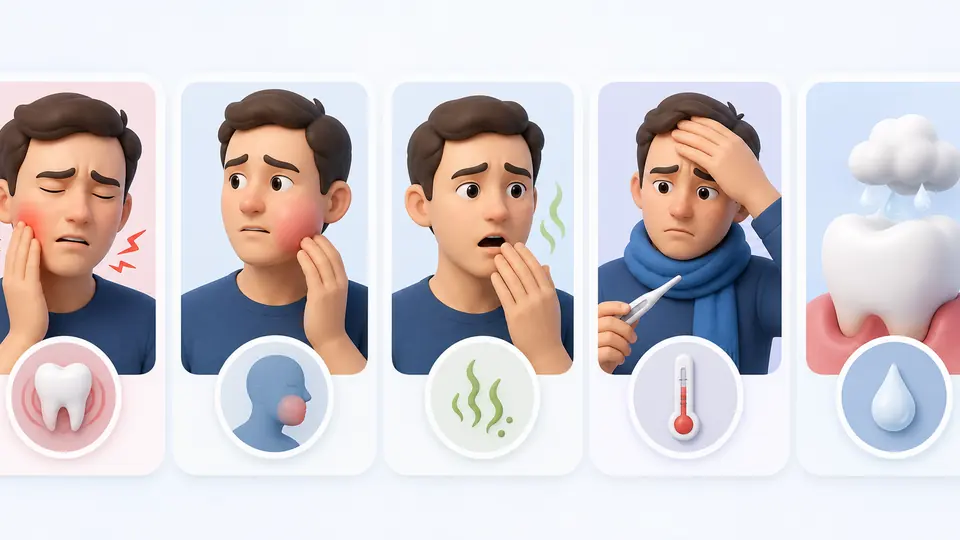
Call a dentist or oral surgeon if you have pain that gets worse after day 3, swelling that spreads, pus, foul taste, fever, chills, swollen lymph nodes, bleeding that starts again, or symptoms that do not feel like normal healing. It is better to ask early than wait until the problem is harder to treat.
A dentist may examine the socket, rinse the area, check for dry socket, remove trapped debris, look for an abscess, or decide whether medicine is needed. Treatment depends on the cause. Not every painful socket needs antibiotics, and not every taste change means infection.
When To Seek Urgent Care
Seek urgent medical care if you have trouble breathing, trouble swallowing, swelling in the neck or under the jaw, rapidly spreading facial swelling, high fever, confusion, severe weakness, fast breathing, or a fast heartbeat with fever. These symptoms can point to a spreading infection or another serious problem.
For emergency symptoms, the right place may be urgent care or an emergency room, not a routine dental appointment. Breathing and swallowing symptoms should never wait.
Common Mistakes To Avoid
- Do not judge the socket from appearance alone.
- Do not compare your healing to graphic photos online.
- Do not dig food or tissue out of the socket with sharp objects.
- Do not smoke, vape, or use straws during early healing if your dentist told you to avoid them.
- Do not ignore fever, pus, spreading swelling, or severe weakness.
- Do not self medicate with antibiotics.
How To Lower Risk While You Heal
Follow your aftercare instructions closely. Eat soft foods at first. Avoid crunchy, sharp, spicy, or hard foods near the socket. Drink water. Brush your other teeth gently. Keep your follow up visit if one was scheduled. If you were prescribed medicine, take it exactly as directed.
The best prevention is careful healing plus early action when symptoms change. Many problems are easier to handle when a dentist checks them early.
Frequently Asked Questions
Is metallic taste in mouth after tooth extraction always an infection?
No. It can happen for more than one reason. The concern is higher when symptoms get worse or appear with fever, pus, swelling, bad taste, or severe pain.
How do I know if I should call my dentist?
Call if symptoms are worsening, spreading, or not improving as expected. Also call if you feel unsure. Dental offices answer these questions often and can tell you whether you need to be seen.
Can I wait one more day?
If symptoms are mild and improving, your dentist may advise monitoring. If symptoms are getting worse, or if fever, pus, spreading swelling, or trouble swallowing appears, do not wait.
Can antibiotics fix it?
Sometimes antibiotics are part of treatment, but they are not always needed and they do not replace dental evaluation. The socket may need cleaning, drainage, or dry socket treatment depending on the cause.
What is the safest next step?
The safest next step is to contact your dentist or oral surgeon with your symptoms, timing, and any photos if they accept them. Seek urgent care for breathing, swallowing, severe weakness, confusion, or rapidly spreading swelling.
Related Guides
- bad taste in mouth after tooth extraction
- signs of infection after tooth extraction
- bad taste after wisdom teeth removal
Bottom Line
Metallic Taste After Tooth Extraction should be judged by the full picture: timing, pain level, swelling, taste, drainage, fever, and whether the site is improving. Mild symptoms that improve can be part of healing. Symptoms that worsen, spread, or come with fever or pus should be checked by a professional.