
Infection After Tooth Extraction
Worried about infection after tooth extraction? The most important signs are pain that gets worse instead of better, swelling that keeps spreading, pus, a foul taste or smell, fever, chills, swollen lymph nodes, or trouble opening your mouth. Some soreness, mild swelling, and a little bleeding can be normal after a tooth is removed. Symptoms that get worse after the first few days are different and should be checked by a dentist or oral surgeon.
This guide explains what infection after tooth extraction can look like, how it is different from normal healing or dry socket, when bad taste matters, when fever is a warning sign, and when symptoms may need urgent medical care. It is for education only and does not replace advice from your dentist, oral surgeon, physician, or emergency care team.
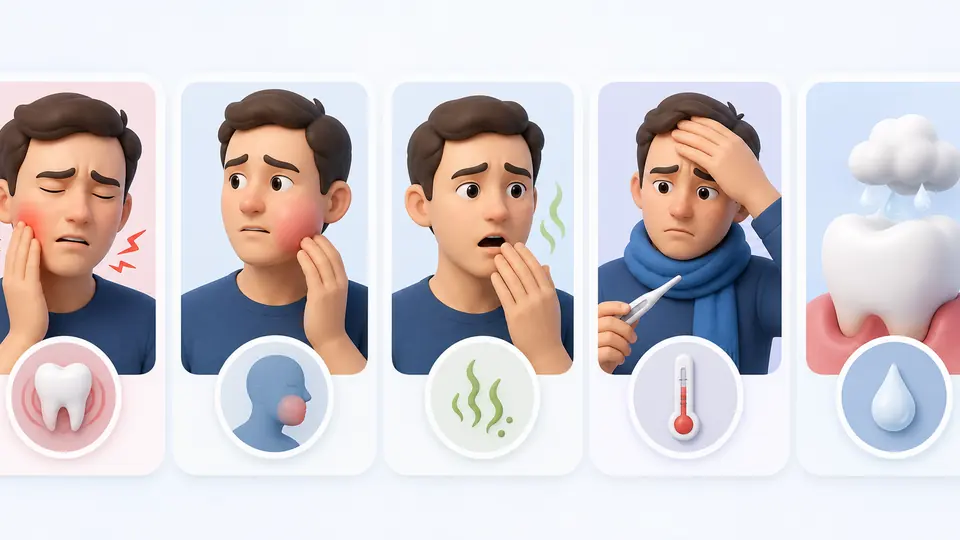
Pain getting worse
Normal pain should slowly improve. Pain that returns or gets stronger after the first few days needs attention.
Swelling spreading
Swelling that keeps growing or moves toward the jaw, neck, or eye area can be a warning sign.
Fever or pus
Fever, chills, cloudy drainage, or a foul taste can point to infection and should be checked.
What Is Infection After Tooth Extraction?
Infection after tooth extraction means bacteria are growing in or around the empty socket where the tooth was removed. Your mouth naturally contains bacteria. After an extraction, the area is temporarily open while the body forms a blood clot and starts healing. If bacteria multiply inside the socket or the clot breaks down, the area can become inflamed and infected.
A tooth extraction infection can happen after a simple extraction, molar extraction, wisdom tooth removal, or oral surgery. It can also happen when the tooth was already infected before it was pulled. Most people heal without a problem, but knowing the warning signs helps you act early.
Normal Healing Vs Infection After Tooth Extraction
The hardest part is knowing what is normal and what is not. Some discomfort is expected. Infection is more likely when symptoms get worse, spread, or come with fever, pus, or a bad smell.
| Normal after extraction | Possible infection warning sign |
|---|---|
| Mild to moderate soreness that slowly improves | Pain that gets worse after day 3 or returns after improving |
| Swelling that peaks in the first 1 to 2 days | Swelling that keeps growing or spreads to the cheek, jaw, neck, or eye area |
| A little blood taste or metallic taste early on | Foul taste, bad smell, pus, or drainage that does not improve |
| Light bleeding soon after the extraction | Bleeding that starts again days later, especially with pain or swelling |
| Some trouble chewing on that side | Trouble opening your mouth, swallowing, or breathing |
If you are unsure, it is better to call your dental office. A quick check can prevent a small infection from becoming a bigger problem.
Signs Of Infection After Tooth Extraction
The main signs of infection after tooth extraction are usually easy to understand when you compare them with normal healing. One symptom alone does not always prove infection, but several symptoms together are more concerning.
1. Pain Gets Worse After Day 3
Some pain is normal after a tooth is pulled. It should slowly improve. If pain gets stronger after day 3, wakes you up, spreads to your jaw or ear, or does not respond to the medicine your dentist recommended, the extraction site may need to be checked.
2. Swelling Keeps Growing
Swelling often peaks in the first 24 to 48 hours. It should then start to calm down. Swelling that keeps growing after 2 days, spreads to the neck, or makes your face feel tight can be a sign of infection after tooth extraction.
3. Pus Or Drainage Appears
Pus after tooth extraction is a red flag. It may look yellow, white, green, or cloudy. It may also create a bad taste or bad smell. If you see pus coming from the tooth extraction site, call a dentist or oral surgeon.
4. Bad Taste Or Bad Smell Does Not Go Away
A blood taste or metallic taste can happen early in healing. A foul taste, bitter taste, or rotten smell that keeps getting worse may point to food debris, dry socket, or infection. Bad taste in mouth after tooth extraction is one of the most common reasons people worry after oral surgery.
Read more: bad taste in mouth after tooth extraction.
5. Fever Or Chills Develop
A fever after tooth extraction can mean your body is fighting infection. A mild temperature right after a procedure may not always be serious, but fever that rises, lasts, or comes with chills, swelling, pus, or weakness needs medical attention.
Read more: fever after tooth extraction.
6. Lymph Nodes Feel Swollen
Swollen lymph nodes under the jaw or in the neck can happen when your immune system is reacting to infection. If swollen glands come with worsening pain, fever, bad taste, or swelling, contact a dental professional.
7. Your Gums Look Very Red Or Puffy
Some redness around the socket is part of healing. Very red gums, heat in the area, strong tenderness, or puffy tissue that gets worse may suggest infected gum after tooth extraction.
8. You Have Trouble Opening Your Mouth
Jaw stiffness can happen after difficult extractions, especially wisdom teeth. But if you cannot open your mouth well, pain is getting worse, or swelling is spreading, infection may be affecting deeper tissues.
9. Bleeding Starts Again Later
Light bleeding soon after extraction is common. Bleeding that starts again several days later can happen if the clot is disturbed, the area is irritated, or infection affects the healing tissue. Call your dentist if bleeding is heavy, does not stop with pressure, or happens with other infection symptoms.
10. You Feel Very Sick Or Weak
Feeling tired after dental work can be normal. Feeling severely weak, confused, shaky, short of breath, or very unwell is not something to wait on. These symptoms can point to a spreading infection or another urgent problem.
Read more: signs of infection after tooth extraction.
Tooth Extraction Infection Timeline
The timing of symptoms can help you understand what may be happening. It cannot diagnose the problem, but it gives you a better idea of when to call.
Day 1
Some bleeding, soreness, numbness from anesthesia, and mild swelling can be normal. A blood clot should start protecting the socket. Follow the aftercare instructions from your dentist.
Days 2 To 3
Swelling may still be present. Pain should be manageable and should not suddenly become much worse. Dry socket pain often starts during this period, especially after lower wisdom tooth removal.
Days 4 To 7
You should usually notice improvement. Pain that gets worse, bad taste that becomes foul, pus, fever, or swelling that keeps growing may point to infection.
After 1 To 2 Weeks
Many simple extraction sites feel much better by this point, although deeper healing continues. Pain after 10 days, bad taste after 2 weeks, or swelling after 2 weeks should be checked.
After 3 Weeks Or Later
Delayed infection can happen, especially after wisdom tooth surgery or if food, bone fragments, or bacteria remain in the area. Do not ignore symptoms just because several weeks have passed.
Dry Socket Vs Infection After Tooth Extraction
Dry socket and infection are often confused because both can hurt and both can happen after a tooth is removed. They are not the same thing.
Dry socket happens when the protective blood clot is lost or does not form properly. This can expose the bone inside the socket and cause strong pain. Dry socket often starts 2 to 4 days after extraction. It usually causes severe pain and bad breath or bad taste, but it does not usually cause fever, pus, or major spreading swelling.
Infection happens when bacteria grow in the socket or surrounding tissue. Infection is more likely to cause pus, worsening swelling, fever, chills, swollen lymph nodes, foul drainage, or symptoms that spread beyond the extraction site.
| Dry socket | Infection |
|---|---|
| Often starts 2 to 4 days after extraction | Can start within days or appear later |
| Severe socket pain is the main symptom | Pain often comes with swelling, pus, fever, or bad drainage |
| Blood clot may be missing | Socket or gums may look red, swollen, or draining |
| Not mainly a bacterial infection at first | Bacteria are involved |
| Needs dental treatment for pain and healing | May need cleaning, drainage, antibiotics, or other dental care |
Read more: dry socket vs infection.
Bad Taste In Mouth After Tooth Extraction
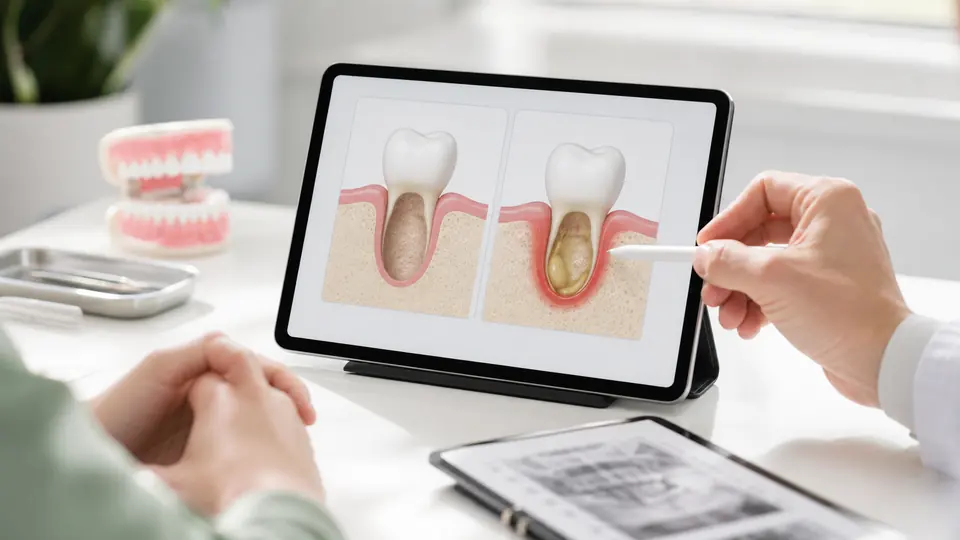
Bad taste after tooth extraction can happen for several reasons. Early on, a metallic taste may come from blood and normal healing fluids. Food can also get trapped near the socket. Some medicines can change taste too.
A bad taste becomes more concerning when it is foul, rotten, bitter, or paired with a bad smell, pus, worsening pain, fever, or swelling. Bad taste in mouth after tooth extraction but no pain can still happen during healing, but it should not keep getting worse.
If the taste is new, strong, or lasting more than a few days, call your dentist and ask whether the site should be rinsed or checked.
Related guides:
- Bad taste in mouth after tooth extraction
- Bad taste after tooth extraction but no pain
- Metallic taste after tooth extraction
Pus, Yellow Stuff, Or Green Stuff In The Tooth Extraction Site
Many people search for yellow stuff in tooth extraction site or green in tooth extraction site because they are trying to decide if what they see is normal. Healing tissue can sometimes look white or yellowish. That alone does not always mean infection.
Pus is different. Pus is usually cloudy, thick, yellow, white, or green. It may drain from the socket and often has a foul taste or smell. Pus after tooth extraction should be checked by a dentist.
Read more: pus after tooth extraction.
Fever After Tooth Extraction
Fever after tooth extraction matters because it can mean infection is moving beyond the local socket. A low temperature soon after surgery may happen for different reasons, but fever with chills, swelling, pus, bad taste, or severe pain should not be ignored.
Call your dentist or oral surgeon if you have fever after tooth extraction. Seek urgent care if fever is high, you feel very weak, swelling spreads toward the neck or eye, or you have trouble breathing or swallowing.
Sepsis After Tooth Extraction
Sepsis after tooth extraction is rare, but it is serious. Sepsis happens when the body has a dangerous reaction to infection. It can affect blood pressure, breathing, thinking, and organ function.
Possible warning signs include high fever, shaking chills, fast heartbeat, fast breathing, confusion, extreme weakness, clammy skin, or feeling like something is very wrong. If you suspect sepsis, seek emergency medical care right away.
Read more: sepsis after tooth extraction.
Deep Neck Infection After Tooth Extraction Symptoms
A spreading dental infection can sometimes move into deeper spaces of the jaw, throat, or neck. This is uncommon, but it can become dangerous because swelling in these areas may affect breathing or swallowing.
Get urgent medical care if you have swelling under the jaw or in the neck, trouble swallowing, trouble breathing, drooling, voice changes, severe weakness, confusion, or swelling that is spreading quickly.
Read more: deep neck infection after tooth extraction symptoms.
Infection After Wisdom Teeth Removal
Wisdom teeth can be harder to keep clean because they are far back in the mouth. Wisdom tooth removal may also involve more tissue movement than a simple extraction. That is why many people worry about infection after wisdom teeth removal, bad taste after wisdom tooth extraction, or swelling after wisdom teeth surgery.
Signs of infection after wisdom teeth removal can include worsening pain, swelling that spreads, bad taste after day 5 to day 7, pus, fever, chills, swollen lymph nodes, or trouble opening your mouth.
Related guides:
How Dentists Treat Infection After Tooth Extraction
Treatment depends on what your dentist or oral surgeon finds. They may examine the socket, rinse the area, remove trapped debris, check for dry socket, look for signs of abscess, or take an X ray if they suspect a retained fragment or deeper problem.
If bacterial infection is present or spreading, your dentist may prescribe antibiotics. Antibiotics are not always needed after tooth extraction, and they are not a replacement for dental treatment when the socket needs to be cleaned or drained. Do not take leftover antibiotics or someone else’s medication.
Home care may support healing, but it should not replace professional care when infection symptoms are present. Gentle salt water rinses may be recommended after the first 24 hours, but always follow the instructions from your dentist.
Related guides:
How To Prevent Infection After Tooth Extraction
You cannot prevent every complication, but careful aftercare lowers risk. The main goal is to protect the blood clot, keep the mouth clean, and avoid irritating the socket.
- Follow the instructions from your dentist or oral surgeon.
- Do not smoke or vape during early healing if you can avoid it.
- Do not use straws until your dentist says it is safe.
- Eat soft foods at first.
- Avoid hard, crunchy, spicy, or sharp foods near the socket.
- Brush your other teeth gently.
- Do not rinse hard during the first 24 hours.
- Use gentle rinses only when your dentist says to start.
- Call your dentist if pain, swelling, bad taste, or fever gets worse.
Read more: how to prevent infection after tooth extraction.
When To Call A Dentist
Call a dentist or oral surgeon if you notice any of these symptoms:
- Pain that gets worse after day 3
- Swelling that keeps spreading
- Pus or cloudy drainage
- Foul taste or bad smell that does not improve
- Fever or chills
- Swollen lymph nodes
- Bleeding that starts again after a few days
- Pain after 10 days
- Bad taste after 2 weeks
- Concern that the socket does not look right
If symptoms feel unusual, do not wait for them to become severe. Early dental care is usually easier than treating an infection after it spreads.
When To Seek Emergency Care
Go to urgent care, the emergency room, or call local emergency services if you have:
- Trouble breathing
- Trouble swallowing
- Rapidly spreading swelling in the face, jaw, neck, or eye area
- High fever
- Confusion
- Severe weakness
- Fast heartbeat with fever or chills
- Severe pain with swelling that is getting worse quickly
These symptoms can point to a spreading infection and should be treated as urgent.

Frequently Asked Questions
How do I know if my tooth extraction is infected?
Infection is more likely if pain gets worse after day 3, swelling spreads, pus appears, fever develops, or a foul taste and bad smell do not improve. A dentist needs to examine the site to confirm what is happening.
Is bad taste normal after tooth extraction?
A blood taste or metallic taste can be normal early on. A foul, rotten, or worsening bad taste may point to food debris, dry socket, or infection, especially if it comes with pain, swelling, pus, or fever.
Can infection after tooth extraction go away on its own?
Do not rely on waiting if you have signs of infection. Some irritation may improve with proper care, but a true infection may need dental treatment, cleaning, drainage, or antibiotics prescribed by a professional.
Is dry socket the same as infection?
No. Dry socket happens when the protective blood clot is missing or breaks down, which exposes bone and causes strong pain. Infection involves bacteria and is more likely to cause pus, fever, swelling, and swollen lymph nodes.
Can you get sepsis from a tooth extraction?
It is rare, but a dental infection can spread and become serious. Seek emergency care for high fever, shaking chills, confusion, fast heartbeat, trouble breathing, trouble swallowing, or rapidly spreading swelling.
What does an infected tooth extraction look like?
It may look very red, swollen, puffy, or draining pus. The socket may also smell bad or taste foul. Appearance alone is not enough to diagnose infection, so call a dentist if the site looks wrong or symptoms are getting worse.
When should I worry about swelling after tooth extraction?
Swelling often peaks in the first 1 to 2 days. Worry more if swelling keeps growing after that, spreads to the neck or eye area, or comes with fever, pus, severe pain, or trouble swallowing.
Do I need antibiotics after tooth extraction?
Not always. Many people heal without antibiotics. Dentists prescribe antibiotics when they believe there is infection risk, spreading infection, certain health risks, or another clinical reason. Do not self medicate.
Pillar Content Library
Use this hub to go deeper into the exact symptom or recovery concern you are dealing with. Each guide focuses on one search intent so you can get a clearer answer without mixing every issue into one page.
Related Guides
Use these detailed guides to understand specific symptoms and next steps:
Bottom Line
Infection after tooth extraction is not the most common outcome, but it is important to catch early. Normal healing should slowly improve. Pain that gets worse, swelling that spreads, pus, foul taste, fever, chills, swollen glands, or trouble opening your mouth are signs that the extraction site should be checked.
If symptoms are mild but worrying, call your dentist or oral surgeon. If you have trouble breathing, trouble swallowing, high fever, confusion, severe weakness, or swelling that spreads quickly, seek emergency care right away.